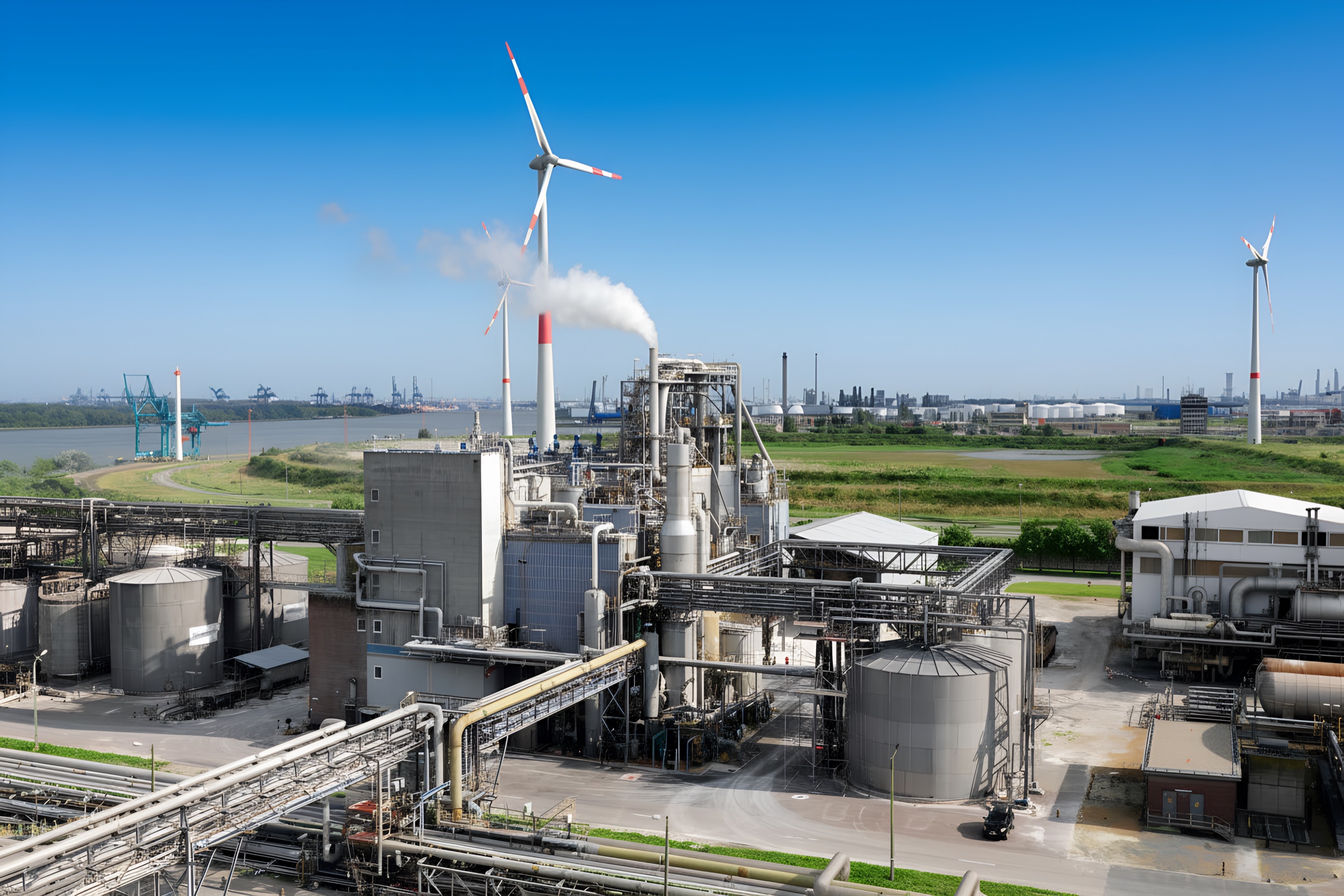

EuroChem production site in Antwerp, Belgium

Enabling a Low-Emission Future in Crop Nutrition

EuroChem production site in Antwerp, Belgium — one of the leading manufacturers of mineral fertilizers in Europe

Reducing emissions without compromising crop yield

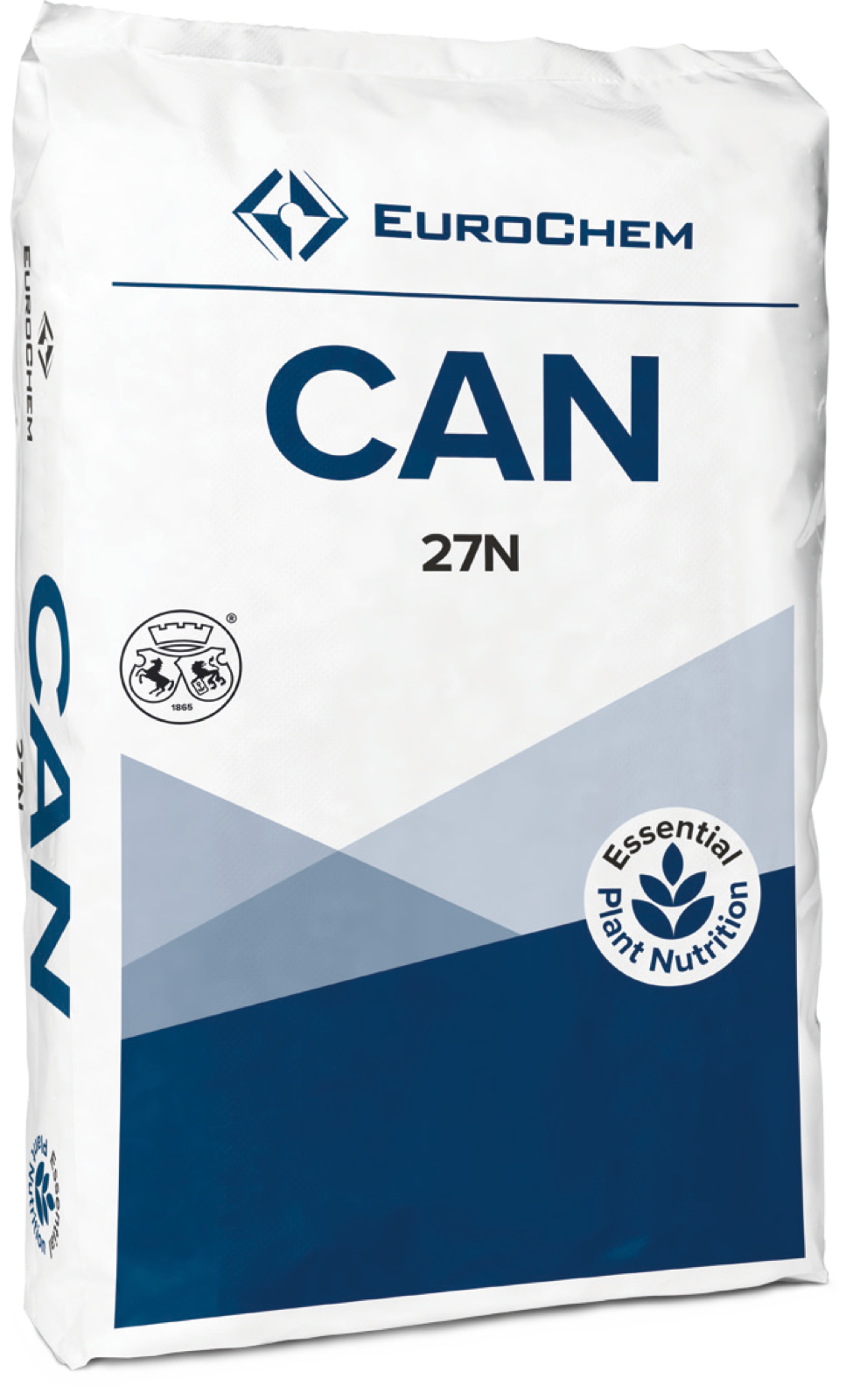
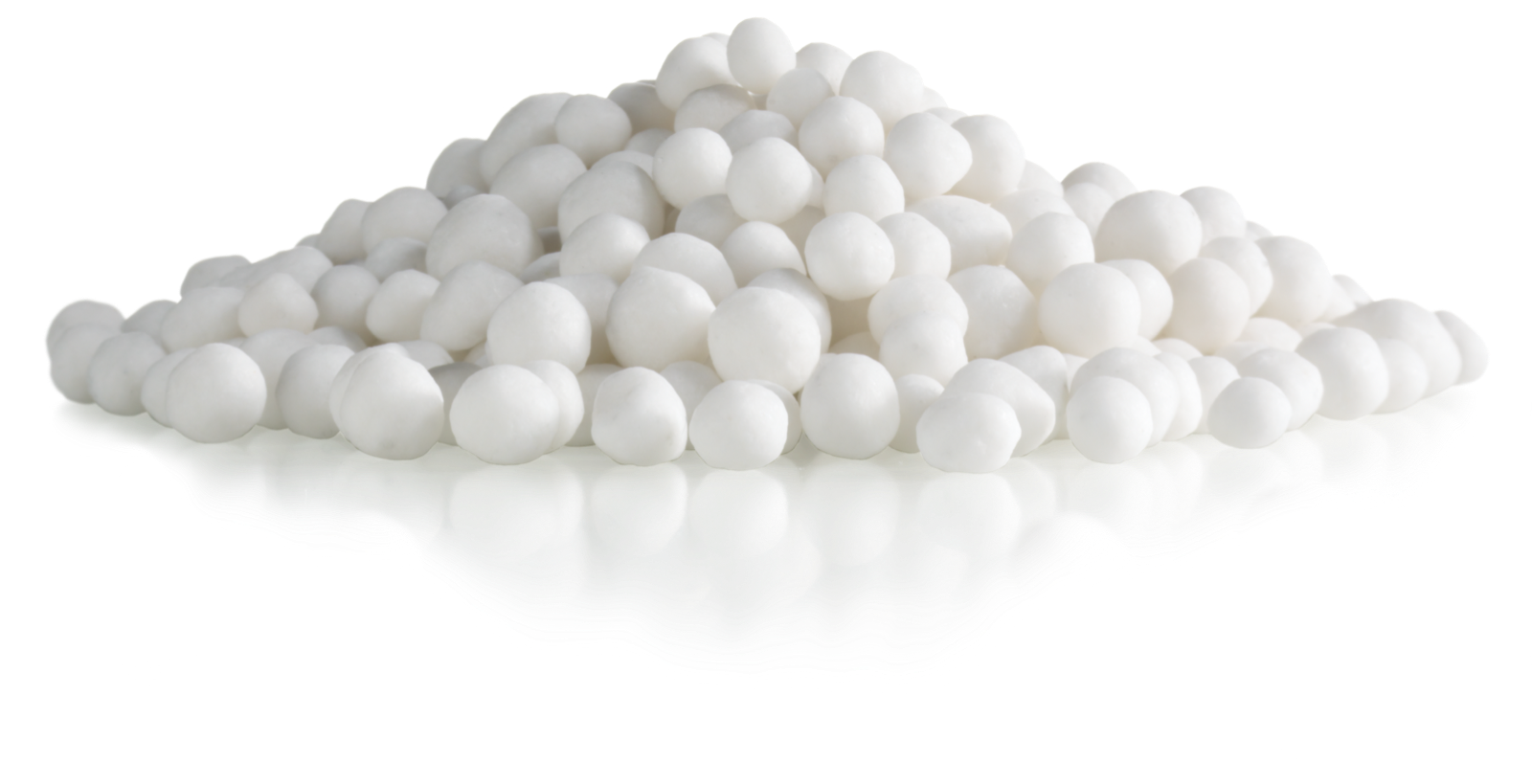
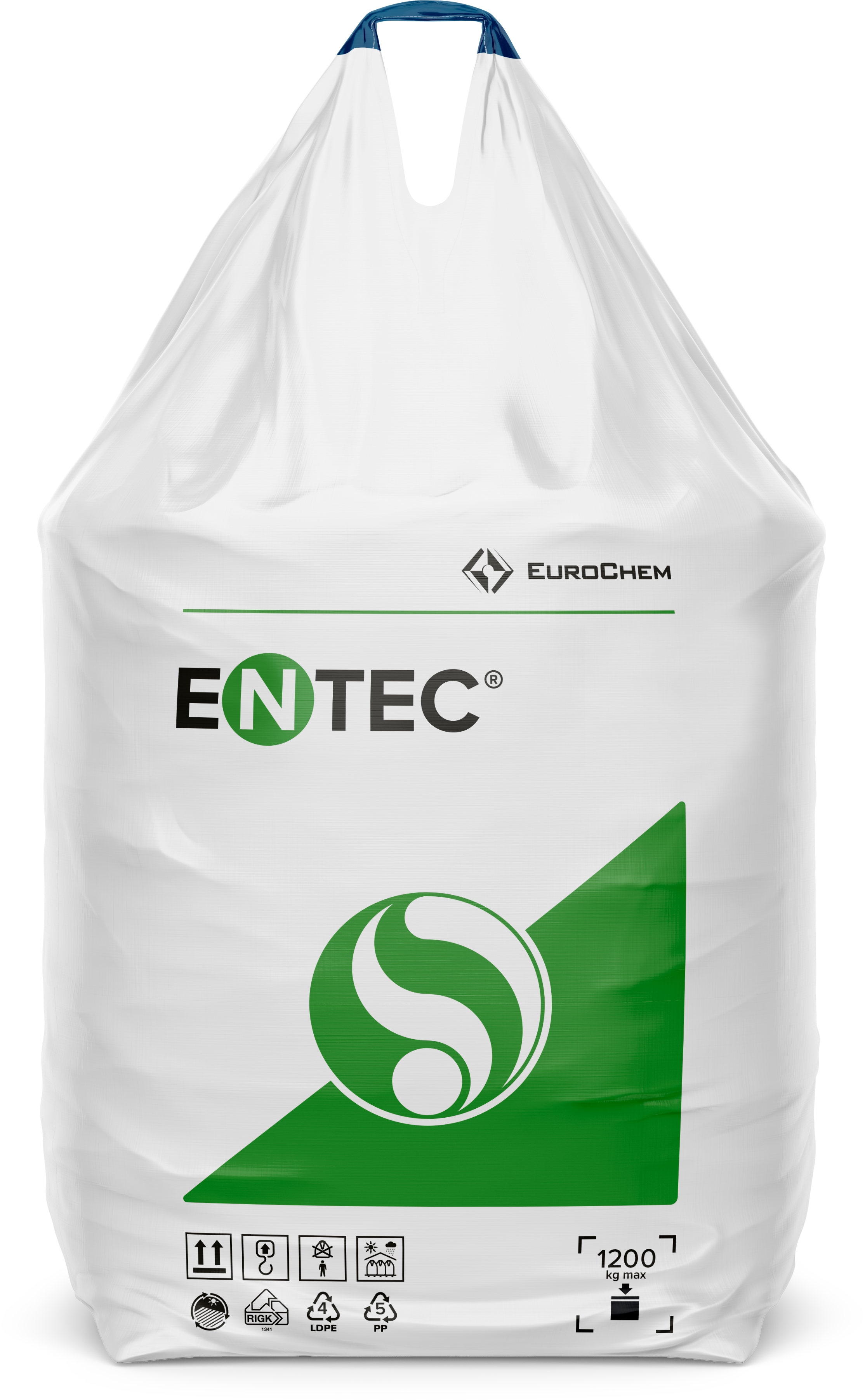
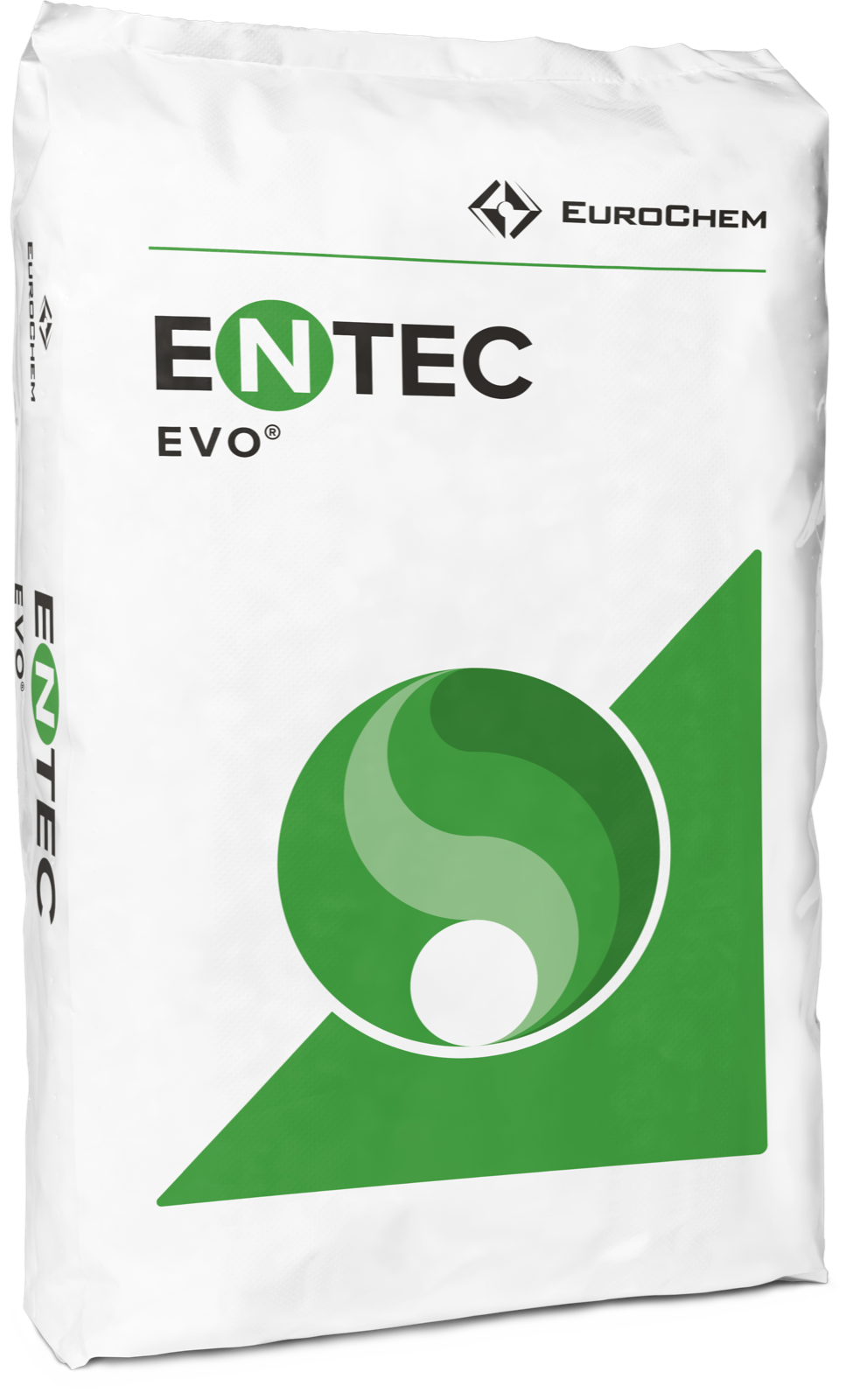
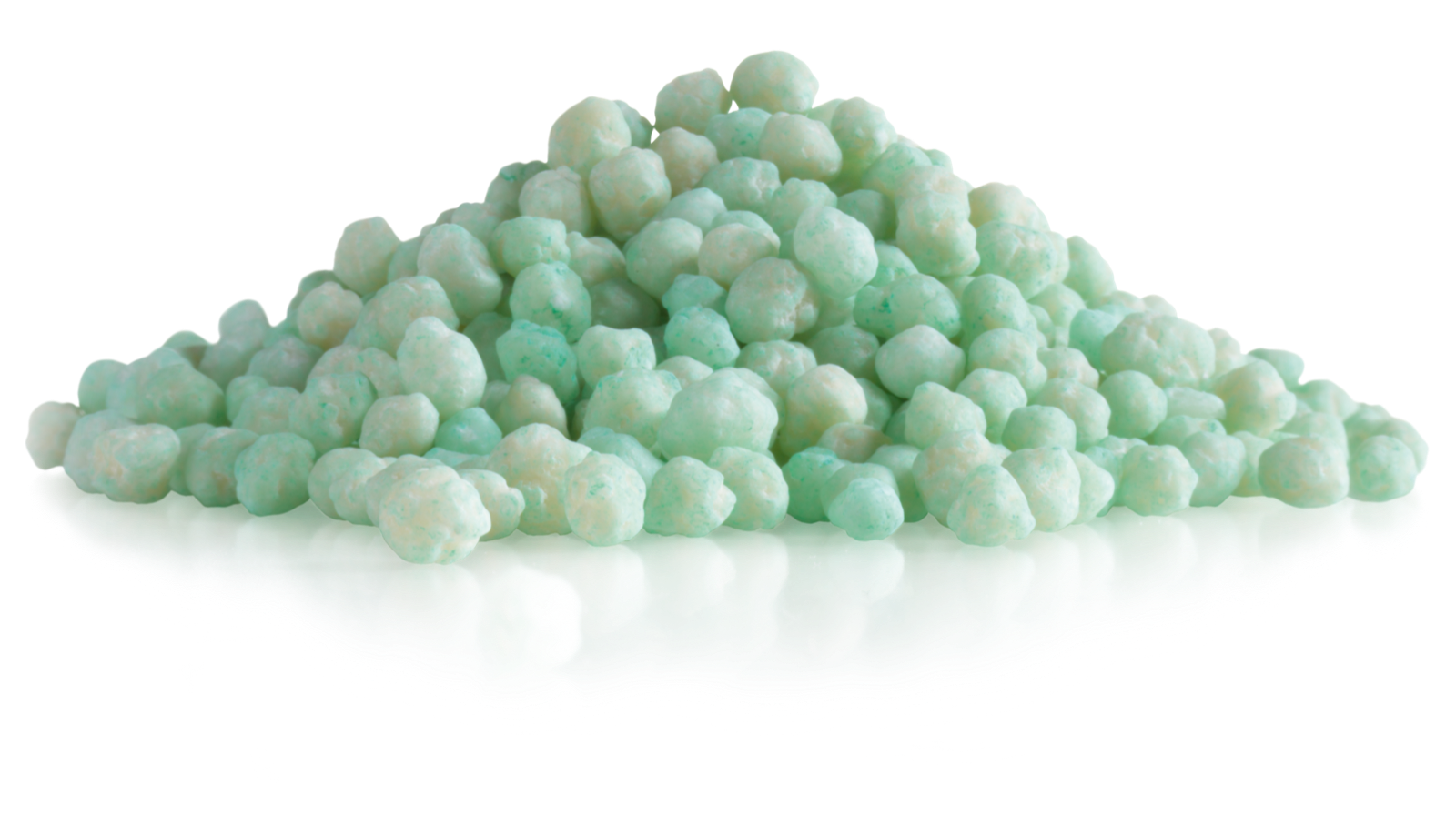
We produce nitrogen-based fertilizers for European agriculture, including NPK compounds (Nitrophoska), calcium ammonium nitrate (CAN), nitrogen-sulfur fertilizers (Nitrosulf), and fertilizers with nitrification inhibitors (ENTEC®).

With continuous investment we enhance the performance of our Antwerp production site developing innovative and low-carbon fertilizer solutions — from production to the field.

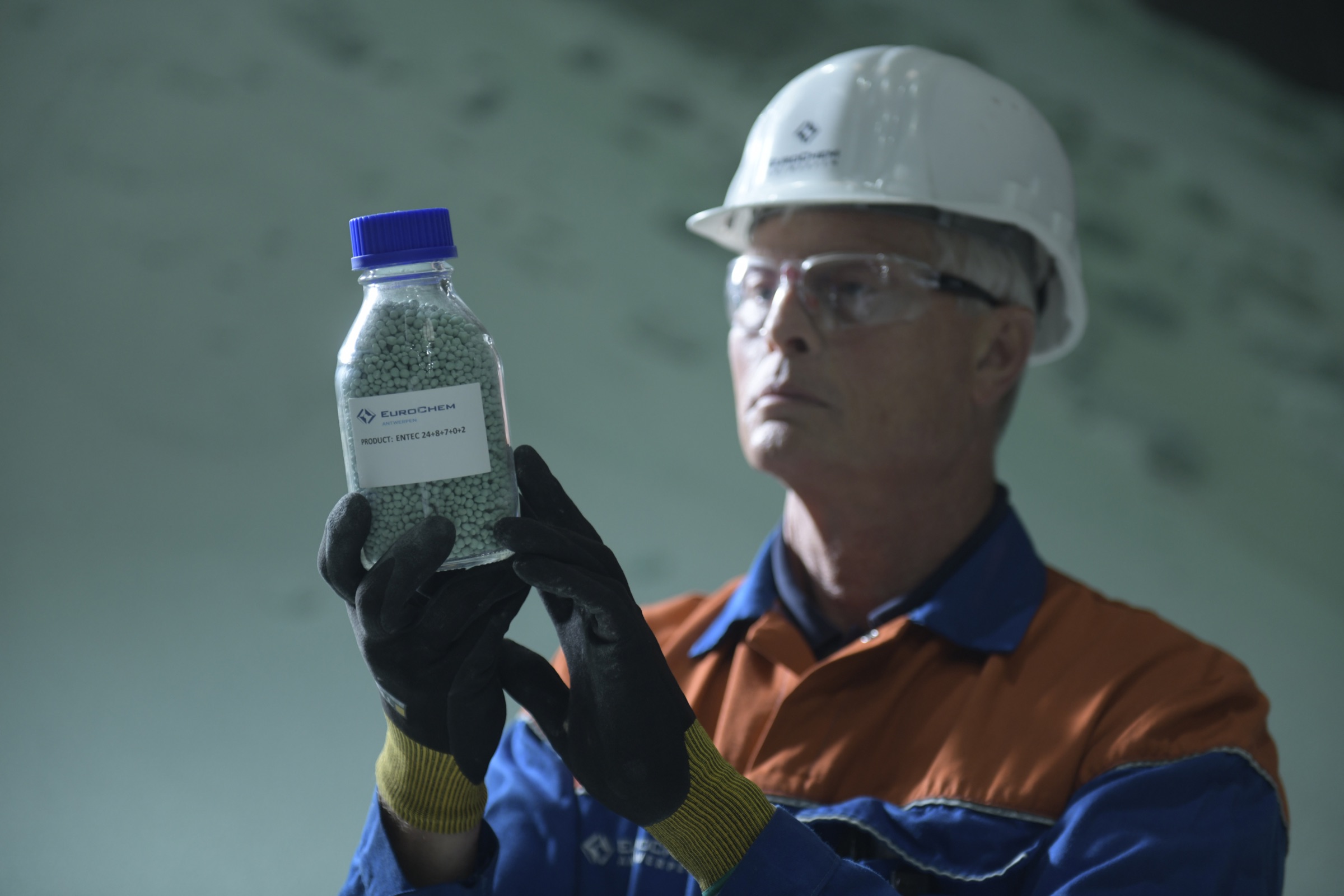
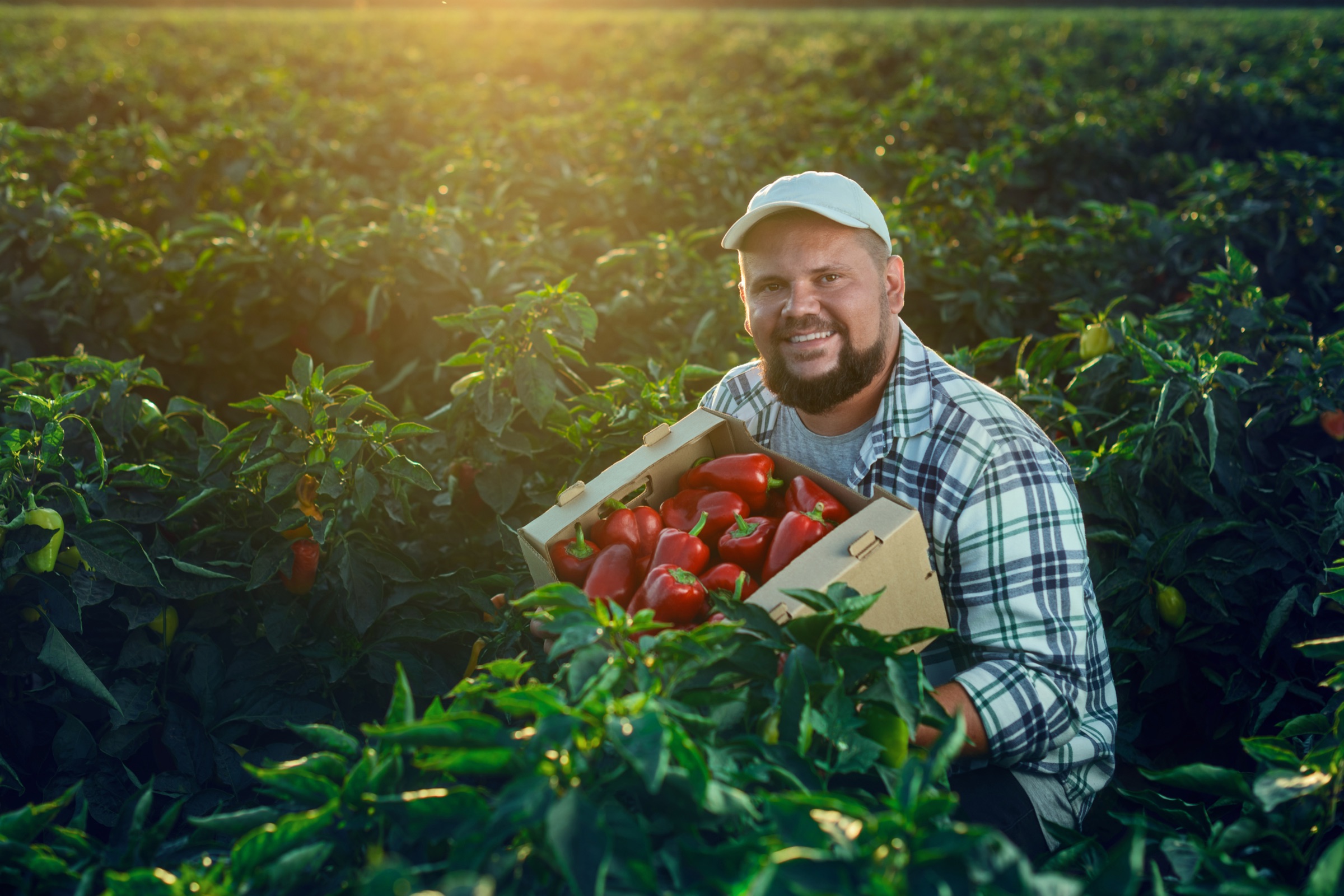
EuroChem specialist inspecting fertilizer Farmer working with a vegetable crop

EuroChem — a pioneer in CO₂-Reduced Fertilizer Production

EuroChem is driving the development of lower-carbon fertilizer solutions by combining innovation, research, and practical experience.

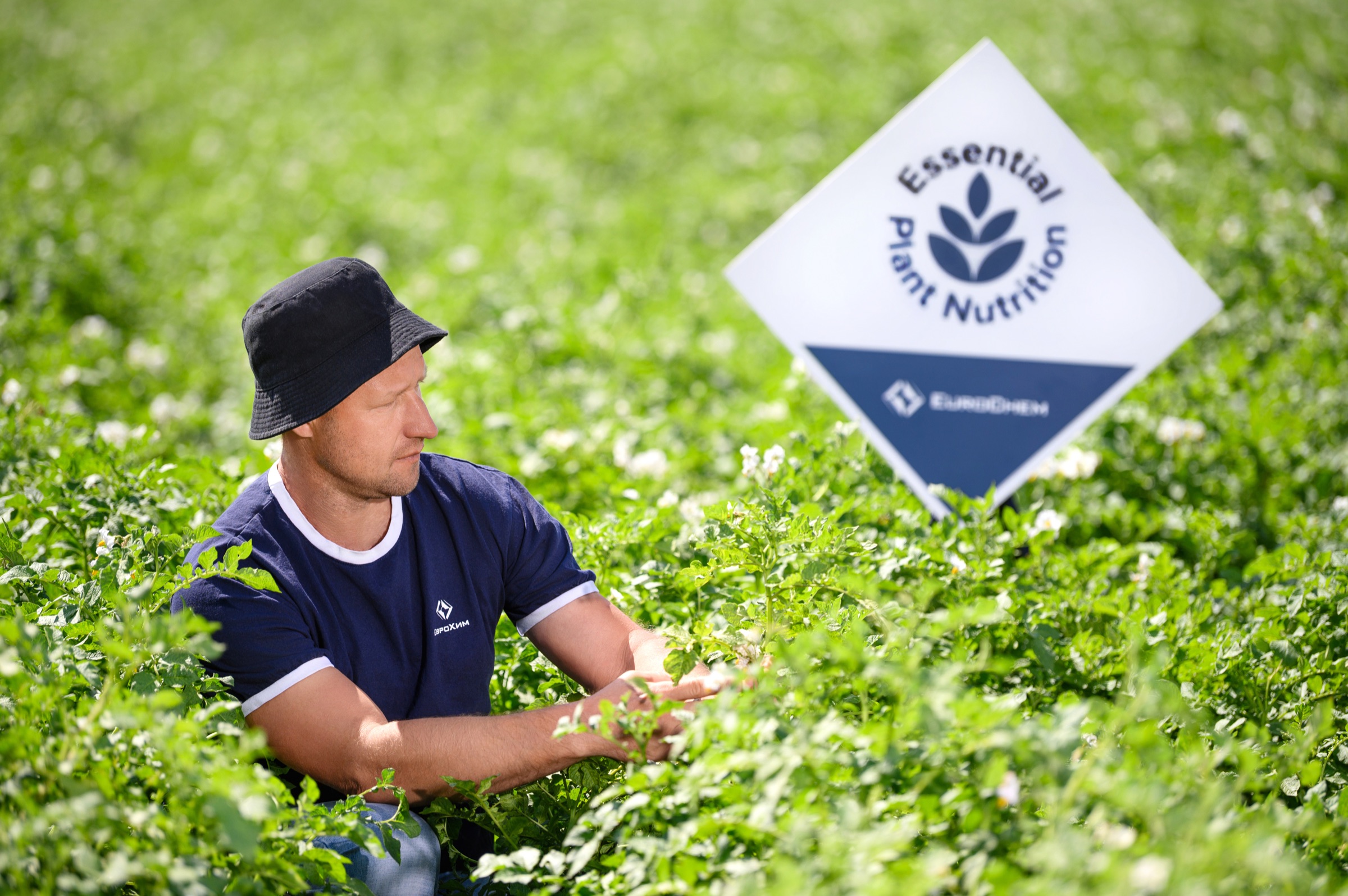
Farmer working in a green crop field

Our Solutions

EuroChem's innovative fertilizer solutions combine low-carbon fertilizers and nitrification inhibitors, enabling farmers to reduce fertilizer-related emissions while maintaining yields.

Fertilizers and Climate Action: Supporting the EU's Path to Net Zero

Limiting global warming to 1.5°C — the central goal of the 2015 Paris Climate Agreement — requires decisive action across all sectors, including agriculture.

Fertilizers are a major focus

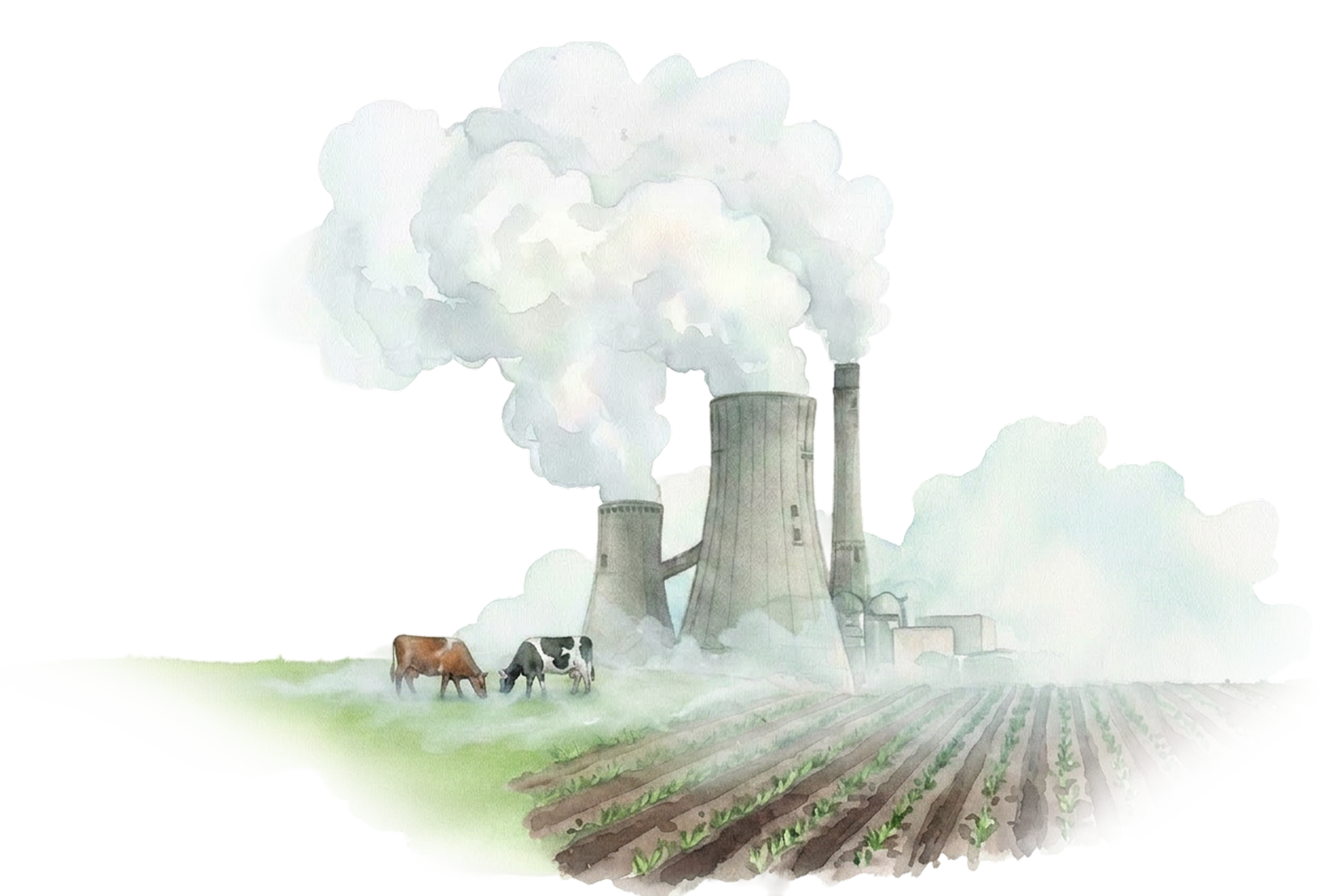
Mineral nitrogen fertilizers and manure account for a significant share of agricultural greenhouse gas emissions — estimated at around 5% of global GHG emissions.

5%of global greenhouse gas
Watercolor illustration of agricultural and fertilizer-related emissions

Where Do Fertilizer Emissions Come From?

58%emissions
from soil
41%
Direct emissions
17%
Indirect emissions
39%
Raw material and manufacturing
3%
Transport

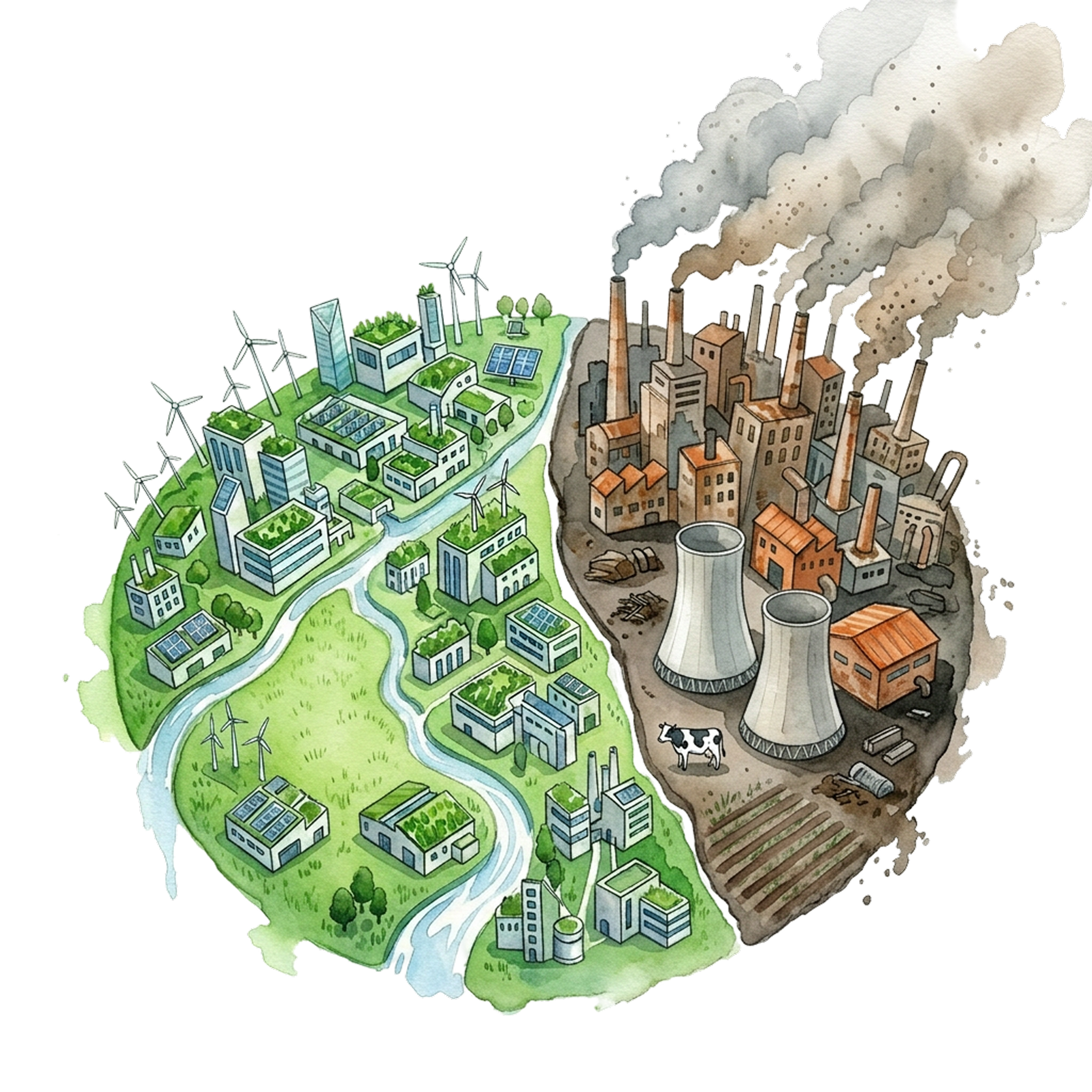
The European Union has set ambitious climate targets worldwide under the “Fit for 55” package

Achieving these targets requires innovation and collaboration across the entire agri-food value chain — starting with fertilizers. Already 71% of European food and drink manufacturers have set emission reduction targets, signaling strong industry momentum toward low-carbon production.

Watercolor comparison of low-carbon and emissions-intensive production
Watercolor sun and cloud
71%of European manufacturers have set emission reduction targets

Scientifically proven measures for emission reduction

Targeted interventions could reduce emissions to 1/5 by 2050

Lower N₂O emissions with nitrification inhibitors

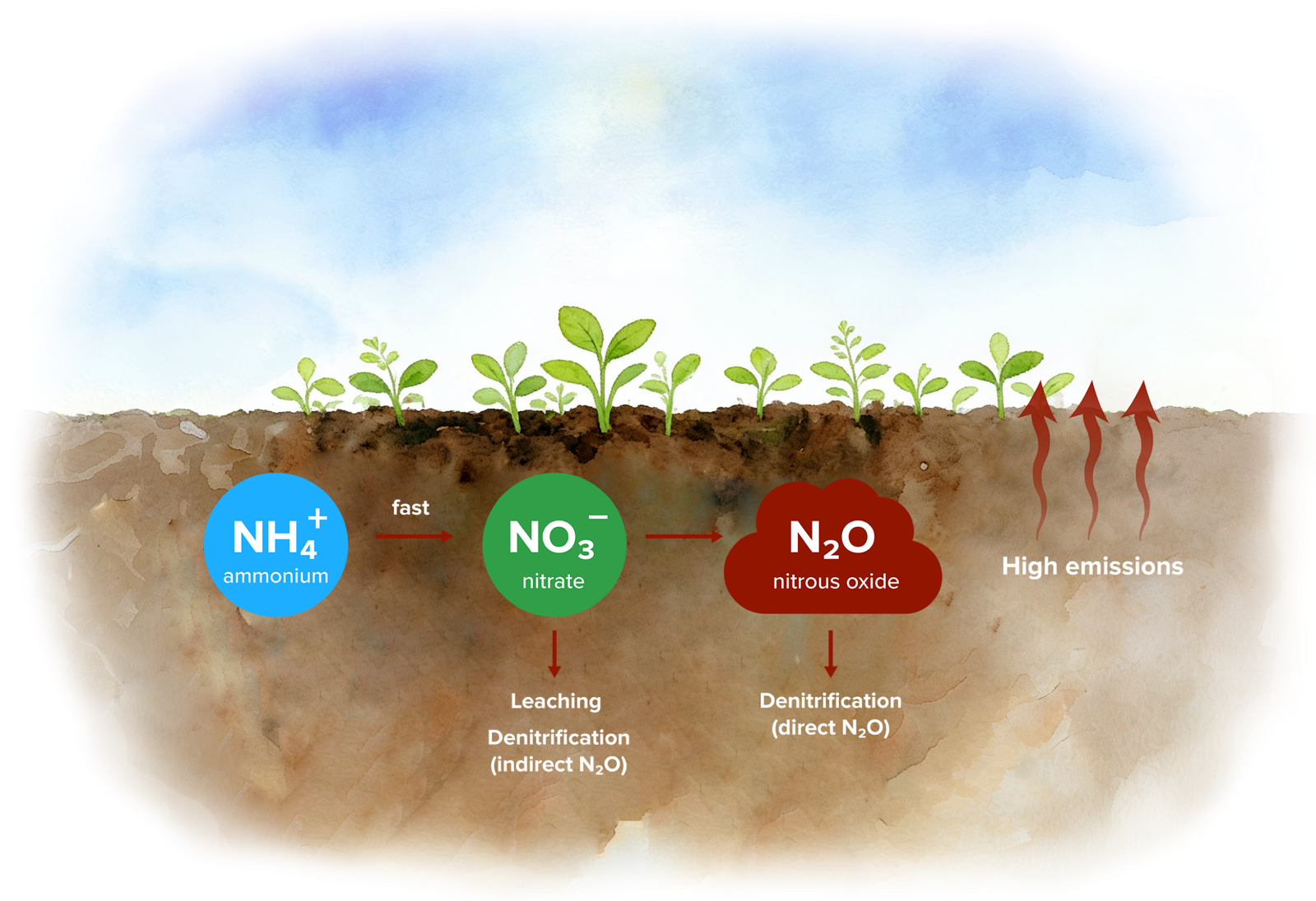
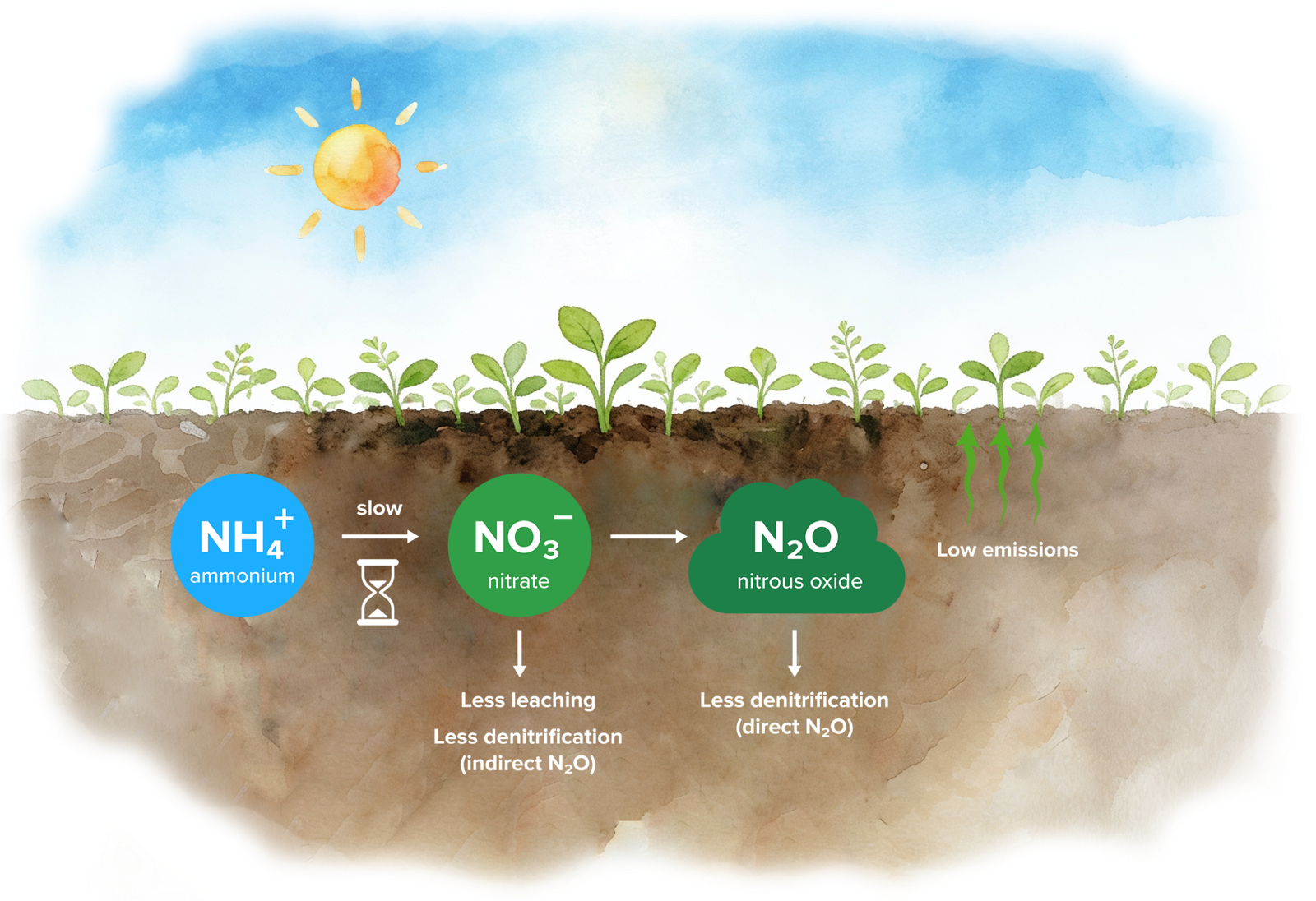
One of the most effective tools to lower greenhouse gas emissions (in form of N₂O (nitrous oxide)) from nitrogen fertilizers is the use of nitrification inhibitors. They delay the conversion of ammonium into nitrate, thereby reducing both direct (caused by nitrification and denitrification) and indirect N₂O emissions (arising from the denitrification of leached nitrate), while also helping to mitigate soil acidification.

Soil without nitrification inhibitor
Soil with nitrification inhibitor
One fifthof emissions
reduced

EuroChem: Science for Low-Carbon Agriculture

A highly effective approach to lower the CO₂ footprint of food production is the use of low carbon fertilizers. EuroChem in Europe is one of the leaders in this field.

EuroChem scientist working in a laboratory
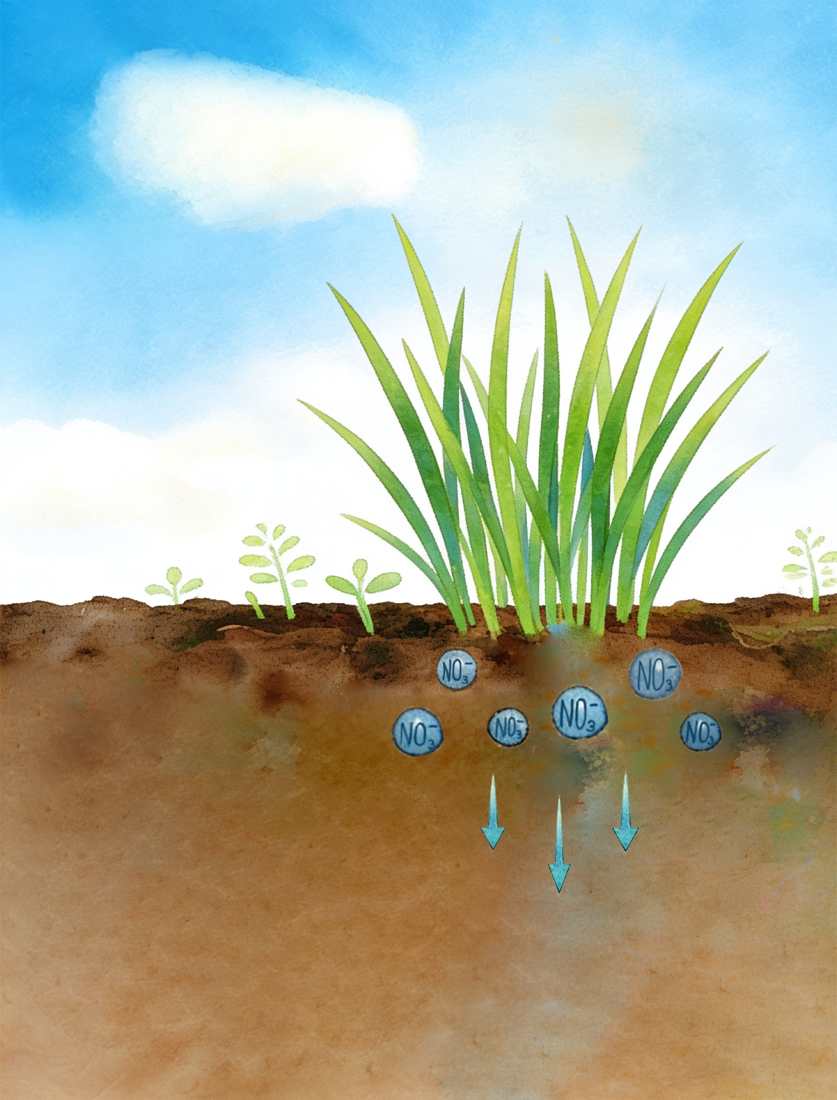
Illustration of nitrate leaching below a crop
−69%Reduction of leached nitrate

ENTEC EVO® Effect on leaching of NO₃-N

  • NO₃-N at day 42 of trial in eluted water
  • Leaching (%) NO₃-N in eluted water/pot
−100%−69%

N fertilizer

−31%

N fertilization with ENTEC EVO®

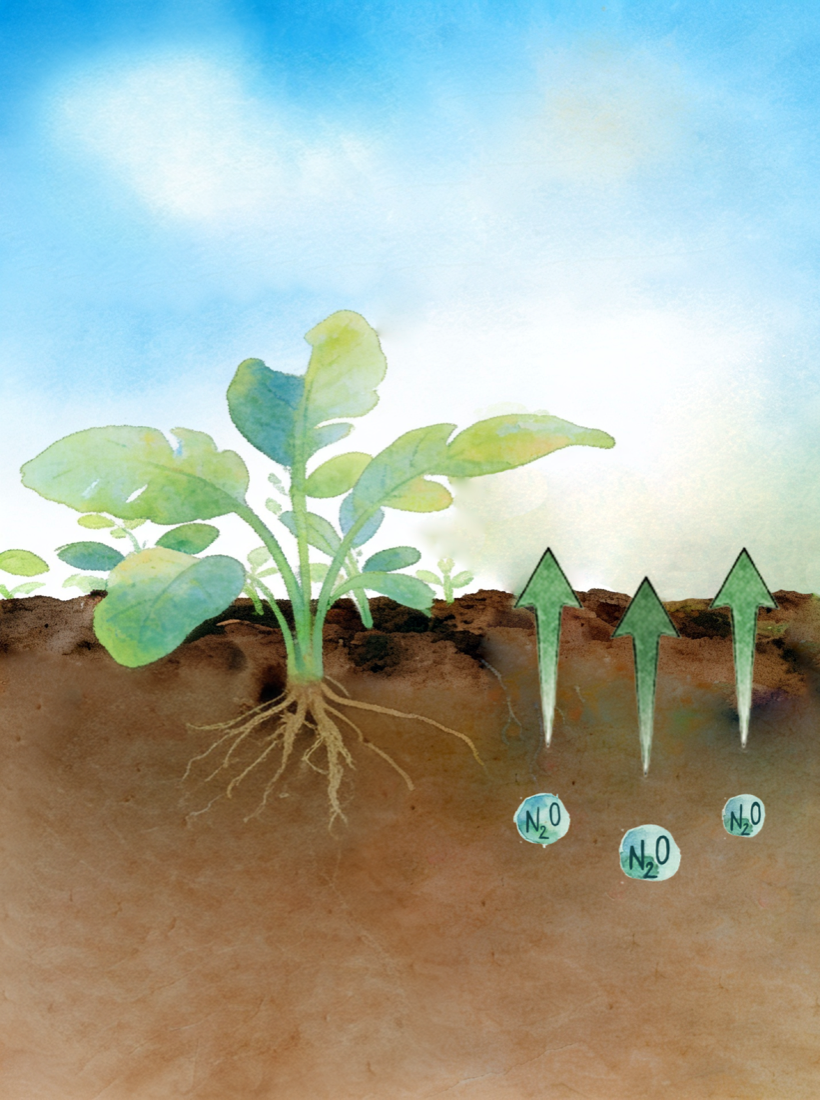
Illustration of nitrous oxide emissions above a crop
−71%−66%N fertilization with ENTEC EVO® (Location 1 & 2)

N₂O emission from N fertilizer application

  • Field trials (Locations 1 and 2)
  • N₂O-N flux (kg ha⁻¹)
0.08−66%

Unfertilized control

0.3−71%

N fertilization without NI

0.1

N fertilization with ENTEC EVO®

Science and Practice Hand in Hand

The human-induced climate change is the defining challenge of our time, and agriculture plays a central role in reducing greenhouse gas emissions.

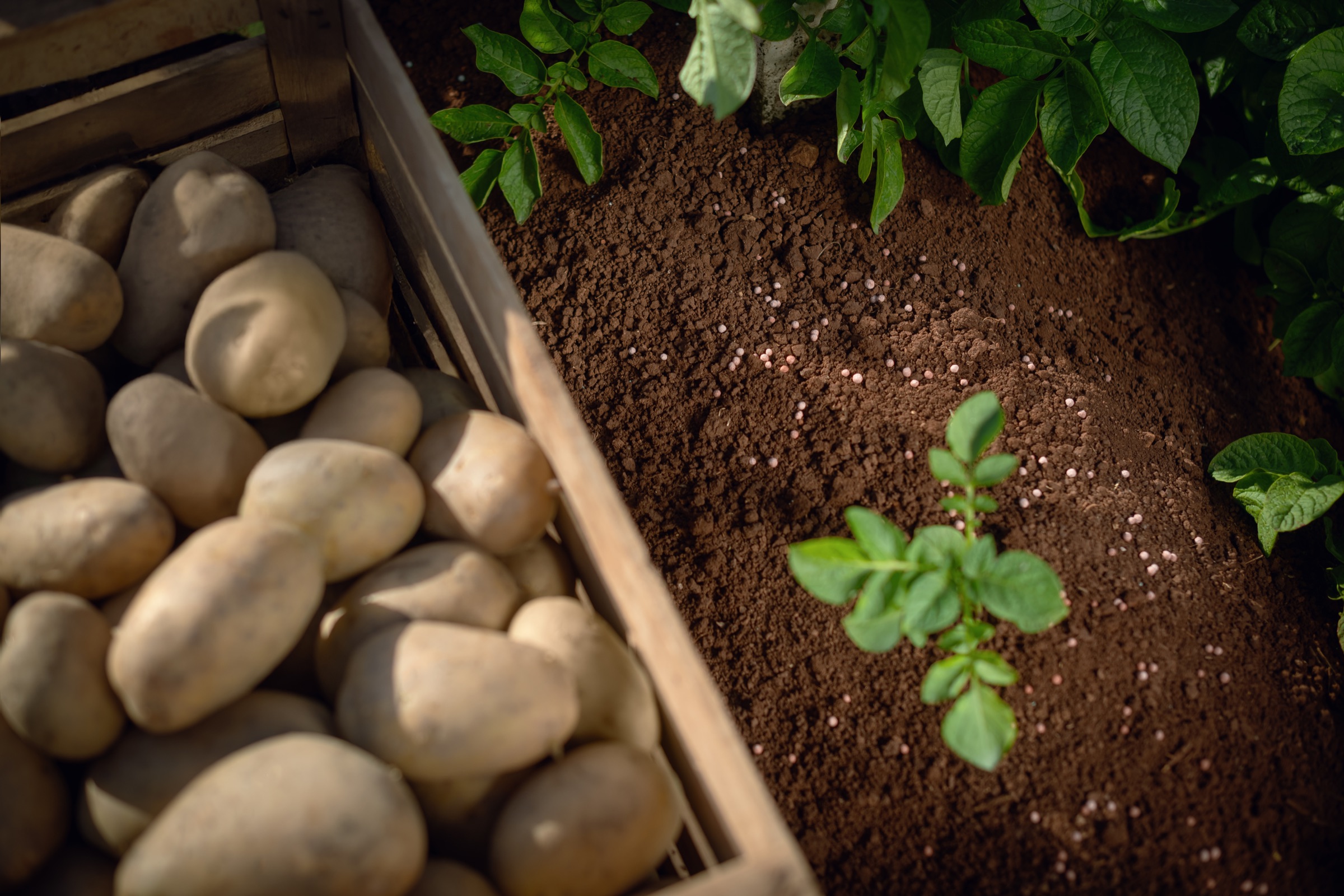
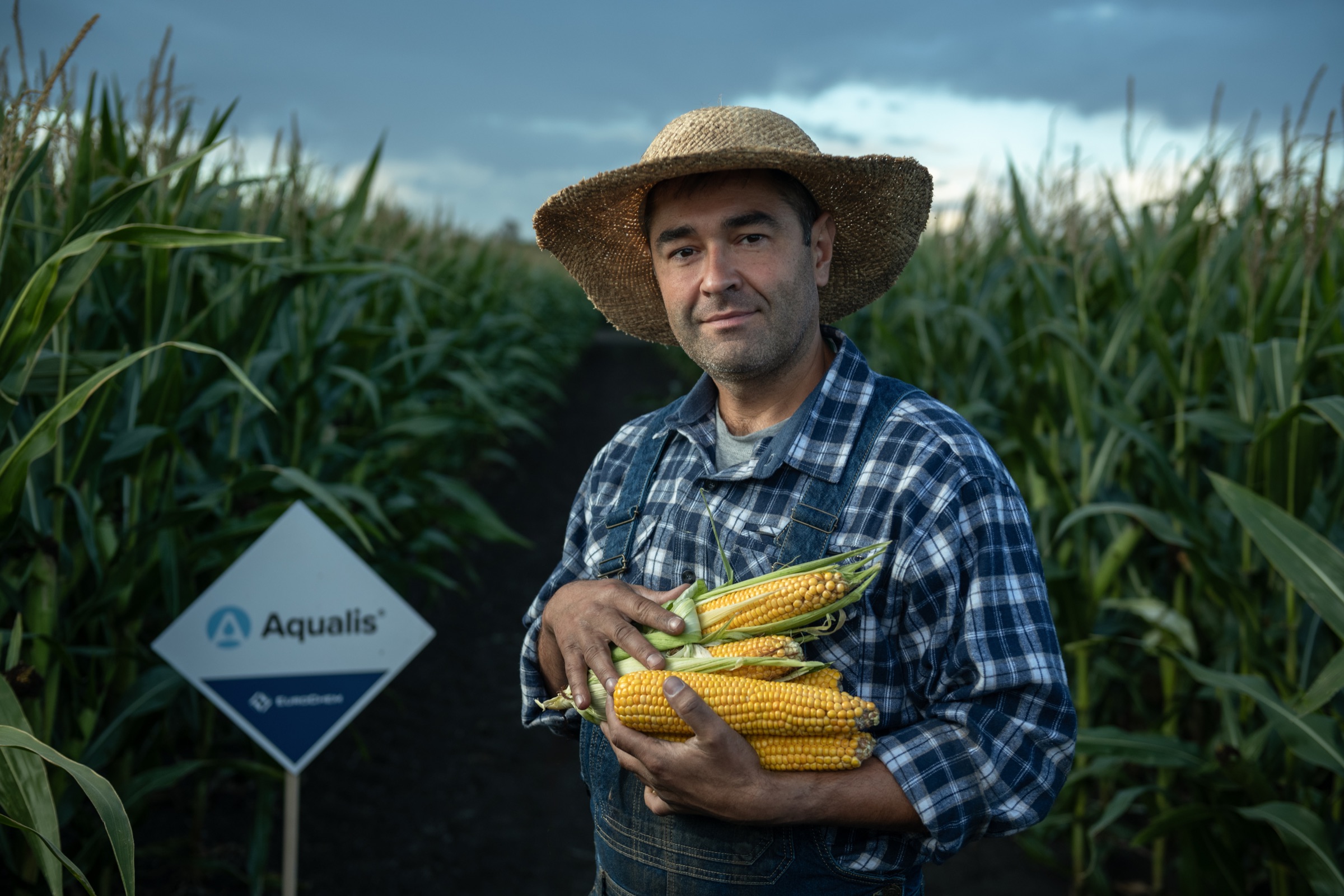
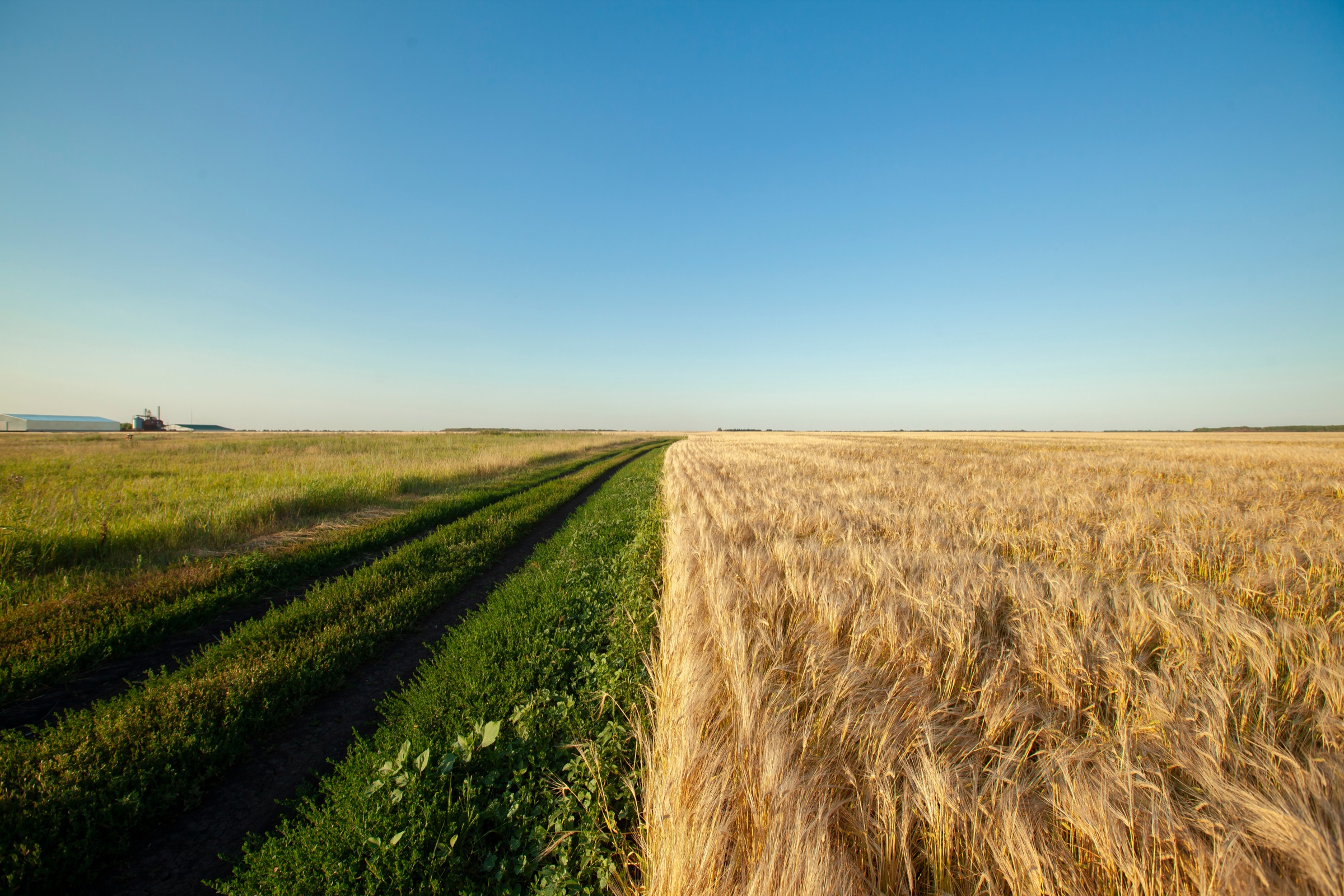
Potatoes beside a crop growing in fertilized soil Farmer examining a corn crop Agricultural field trial

Scientific community

The global scientific consensus firmly positions the manufacturing and application of synthetic nitrogen fertilizers as a leading contributor to global agricultural greenhouse gas (GHG) emissions.

Agricultural practice

On the ground, farming communities and agronomic providers are undergoing an operational shift, transitioning away from maximizing raw input volumes toward maximizing chemical efficiency.

Political and regulatory bodies

Governments and international compliance frameworks are shifting from voluntary guidelines to binding mandates, viewing the decarbonization of the fertilizer industry as non-negotiable for net-zero timelines.

Enhanced-efficiency fertilizers — including those with nitrification inhibitors — are essential tools for achieving climate targets.

Farmer carrying harvested apples

EuroChem: at the forefront of this transformation

Our CO₂-reduced fertilizers and advanced nitrification and urease inhibitors empower farmers to cut emissions significantly without compromising yield or crop quality.